
Kathy Justice Girls Educational Foundation – Liberia
High School Girls Student Exchange Program Policy
1. INTRODUCTION
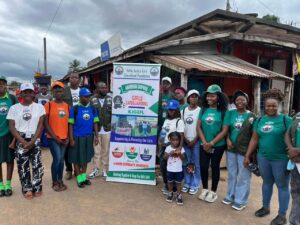
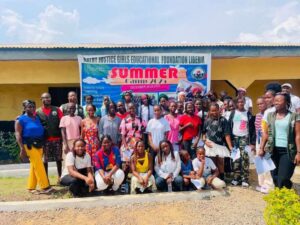
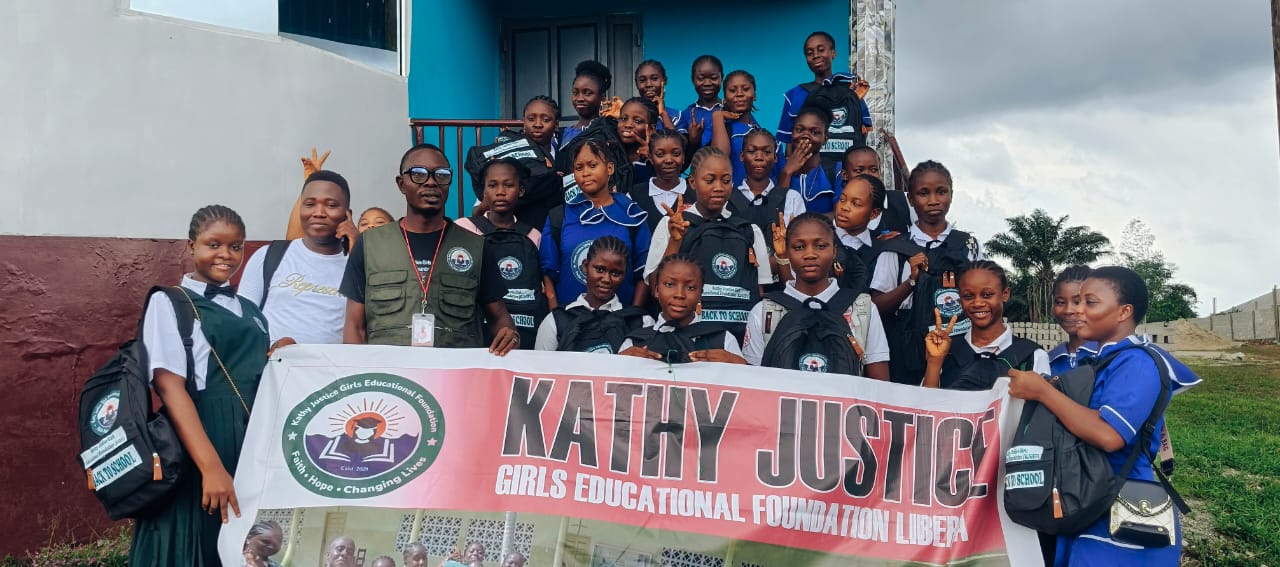
The Kathy Justice Girls Educational Foundation (hereinafter referred to as “the Foundation”) is a Liberia-based non-profit organization dedicated to advancing access to quality education for girls, promoting gender equality, and empowering young women to become leaders and change-makers in their communities. In line with its mission, the Foundation has established the High School Girls Student Exchange Program to provide selected students with opportunities to experience diverse learning environments, curricula, and cultural contexts.
This Policy Document outlines the framework, principles, roles, responsibilities, and operational guidelines governing the High School Girls Student Exchange Program. It serves as a guiding instrument for the Foundation, partner schools, government ministries, and all stakeholders involved in the design, implementation, monitoring, and evaluation of the program.
2. PURPOSE AND OBJECTIVES OF THE STUDENT EXCHANGE PROGRAM
2.1 Purpose
The primary purpose of the High School Girls Student Exchange Program is to broaden educational access and exposure for Liberian high school girls by enabling them to study temporarily in a designated partner school environment that offers different learning styles, teaching methodologies, and curricula.
2.2 Objectives
The objectives of the Student Exchange Program include:
- To expose students to diverse learning environments and pedagogical approaches.
- To enhance academic performance and critical thinking skills through curriculum diversity.
- To promote cultural understanding, adaptability, and global citizenship among students.
- To build students’ confidence, leadership skills, and personal development.
- To strengthen institutional collaboration between the Foundation, schools, and relevant government ministries.
- To contribute to national efforts toward girls’ education, gender equality, and child protection.
3. PROGRAM STRUCTURE AND SCOPE
3.1 Target Beneficiaries
The program targets high school girls enrolled in partner schools in Liberia who demonstrate academic potential, good character, leadership qualities, and a commitment to completing their education.
3.2 Program Duration
The exchange program may be short-term or long-term, depending on the agreement between the Foundation and the designated partner school. Duration may range from one academic term to one academic year.
3.3 Geographic Scope
The exchange program operates within Liberia and may include national or international partner schools, subject to applicable laws, policies, and approvals.
4. PARTNERSHIP FRAMEWORK
4.1 Partnership with Designated Schools
The Foundation shall establish formal partnerships with designated schools participating in the exchange program. These partnerships shall be governed by a Memorandum of Understanding (MoU) outlining roles, responsibilities, and expectations.
The destination school is required to:
- Sign and adhere to the Foundation’s safeguarding and child protection policies.
- Provide the Foundation with copies of its own school safeguarding and child protection documents.
- Provide a safe, supportive, and inclusive learning environment.
- Ensure academic supervision and student welfare during school hours.
- Designate a focal person to liaise with the Foundation.
4.2 Partnership with Government Institutions
The Foundation shall collaborate with the following government institutions:
- Ministry of Education (MoE)
- County Education Officer (CEO)
- District Education Officer (DEO)
- Ministry of Gender, Children and Social Protection (MoGCSP)
- Ministry of Justice (MoJ)
These partnerships are intended to:
- Ensure alignment with national education policies and standards.
- Facilitate regulatory approval and oversight.
- Strengthen safeguarding, child protection, and legal compliance.
- Promote accountability and transparency in program implementation.
5. ROLES AND RESPONSIBILITIES
5.1 Responsibilities of the Foundation
During the exchange program, the Foundation shall be responsible for:
- Student lodging and accommodation in safe and appropriate facilities.
- Provision of adequate and nutritious feeding for students.
- Transportation of students to and from school and other approved program activities.
- Student logging, including maintaining accurate records of attendance, movement, health, and welfare.
- Ensuring safeguarding, child protection, and psychosocial support.
- Liaising with parents/guardians, schools, and government partners.
- Monitoring and evaluating student progress and well-being.
5.2 Responsibilities of the Destination School
The destination school shall:
- Provide quality education in line with its approved curriculum.
- Ensure student safety and supervision during school hours.
- Comply with safeguarding and child protection requirements.
- Report any safeguarding concerns or incidents immediately to the Foundation.
- Facilitate academic assessments and progress reports.
5.3 Responsibilities of Parents/Guardians
Parents or legal guardians shall:
- Provide informed consent for student participation.
- Cooperate with the Foundation and schools.
- Support students’ emotional and academic needs.
6. SAFEGUARDING AND CHILD PROTECTION
6.1 Commitment to Safeguarding
The Foundation is fully committed to safeguarding and protecting all students from abuse, neglect, exploitation, and harm. Safeguarding principles are central to the Student Exchange Program.
6.2 Safeguarding Requirements
- All partner schools must sign the Foundation’s safeguarding policy.
- All staff, volunteers, and partners involved must adhere to safeguarding standards.
- Students must be educated on their rights and reporting mechanisms.
- Confidential reporting and response mechanisms shall be in place.
6.3 Incident Reporting
Any safeguarding incident must be reported immediately to the Foundation and relevant authorities, including the Ministry of Gender and the Ministry of Justice, as required by law.
7. STUDENT SELECTION CRITERIA
Students shall be selected based on:
- Academic performance and potential.
- Demonstrated discipline and good conduct.
- Leadership qualities and motivation.
- Recommendation from school authorities.
- Approval from parents/guardians.
8. HEALTH, SAFETY, AND WELFARE
8.1 Health Requirements
Students must undergo basic health screening prior to participation. The Foundation shall maintain health records and ensure access to medical care when necessary.
8.2 Safety Measures
Appropriate safety measures shall be implemented for transportation, accommodation, and school activities.
9. MONITORING, EVALUATION, AND REPORTING
The Foundation shall monitor and evaluate the program through:
- Regular student progress reports.
- Welfare and safeguarding assessments.
- Stakeholder review meetings.
- Documentation and reporting to partners and donors.
10. LEGAL AND POLICY COMPLIANCE
The program shall comply with:
- Liberian education laws and policies.
- Child protection and safeguarding laws.
- International best practices on student exchange and child welfare.
11. ETHICAL CONSIDERATIONS
The program shall be guided by principles of equity, inclusion, transparency, and respect for student dignity and rights.
12. RISK MANAGEMENT
Potential risks shall be identified and mitigated through safeguarding protocols, insurance where applicable, and emergency response plans.
13. COMMUNICATION AND INFORMATION SHARING
Clear communication channels shall be established among all stakeholders while ensuring confidentiality and data protection.
14. REVIEW AND AMENDMENT
This policy shall be reviewed periodically and amended as necessary to reflect changes in law, policy, or program experience.
15. CONCLUSION
The High School Girls Student Exchange Program reflects the Foundation’s commitment to expanding educational opportunities for girls in Liberia. Through strong partnerships, effective safeguarding, and shared responsibility, the program aims to empower students with knowledge, skills, and experiences that will contribute to their personal growth and national development.